There is no single “get well” bouquet. Someone resting at home after a minor procedure may enjoy cheerful sunflowers, while a person recovering from serious treatment might prefer not to manage flowers at all. Start with what the recipient is able and happy to receive. The goal is companionship, not a display that needs looking after.
Home and hospital deliveries are different
At home, there is usually more flexibility in bouquet size and vase placement. In a hospital, space, fragrance and access rules may be more restrictive. Confirm the delivery location before choosing the arrangement.
Choose cheerful rather than overwhelming
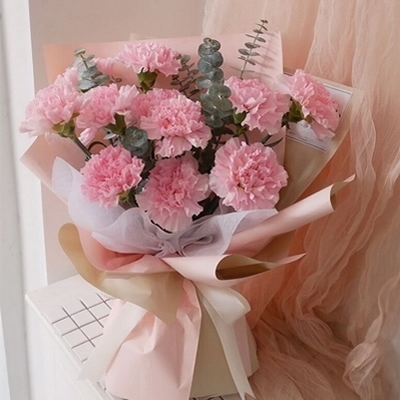
Sunflowers, carnations, roses and seasonal mixed flowers can all work. Soft pink, yellow, orange and mixed bright colors are common choices, but personal taste matters more than a fixed color chart.

Consider fragrance and pollen
If the recipient has respiratory sensitivity, allergies or nausea, avoid strongly scented flowers. When in doubt, choose a simpler arrangement and ask about preferences.
Keep the message supportive
Useful card messages include:
- Thinking of you and wishing you a comfortable recovery.
- Rest well and take good care of yourself.
- Sending a little color to brighten your day.
Avoid promises such as “You will be better tomorrow.”
Think about who will receive the delivery
If the recipient is sleeping or unable to answer the phone, a family member may need to coordinate. For home deliveries in gated compounds, building and unit details are important.
When flowers may not be the best option
If the recipient has severe allergies, the hospital prohibits flowers, or they are moving between facilities, another permitted gift may be more appropriate.
After discharge is often a better moment
A patient may leave hospital on short notice, but the family usually knows the home address and when someone will be available there. If hospital policy is unclear, arranging delivery a day after discharge avoids a gate handoff and gives the recipient a chance to settle in. Ask whether there are pets at home or fragrance sensitivities before selecting strongly scented flowers or lilies.
Write something the recipient can keep
“Thinking of you today. No need to reply—rest as much as you like” acknowledges that recovery can be tiring. An overly optimistic promise, or a message that mentions private details of a diagnosis, may be less welcome. If you are not close enough to know the situation, keep the note neutral: “Sending warm wishes and hoping the coming days are easier.” A modest bouquet with a considerate message is usually enough.
Frequently asked questions
Are white flowers inappropriate for recovery?
Not automatically, but an all-white arrangement can feel formal. Mixed color is often an easier default for a cheerful recovery gift.
Should I send lilies?
Lilies can be beautiful but may have strong fragrance. Check sensitivity first.
Can I send flowers after the patient goes home?
Yes. Home delivery can be easier and may let the recipient enjoy the bouquet longer.